Boiler outages in cold winter months create costly discomfort, and a faulty printed‑circuit‑board (PCB, also known as boiler control board or motherboard) ranks among the most frequent electronic failure points for residential gas‑fired, oil‑fired hot‑water and steam heating systems. This guide breaks down everything you need to know: core functions, smart thermostat compatibility, failure symptoms, repair‑or‑replace purchasing decisions, expected service life, and safety best practices, to help you source the correct replacement boiler PCB without expensive mis‑purchases.
What Is a Boiler PCB? Control Board, Motherboard, and Key Components
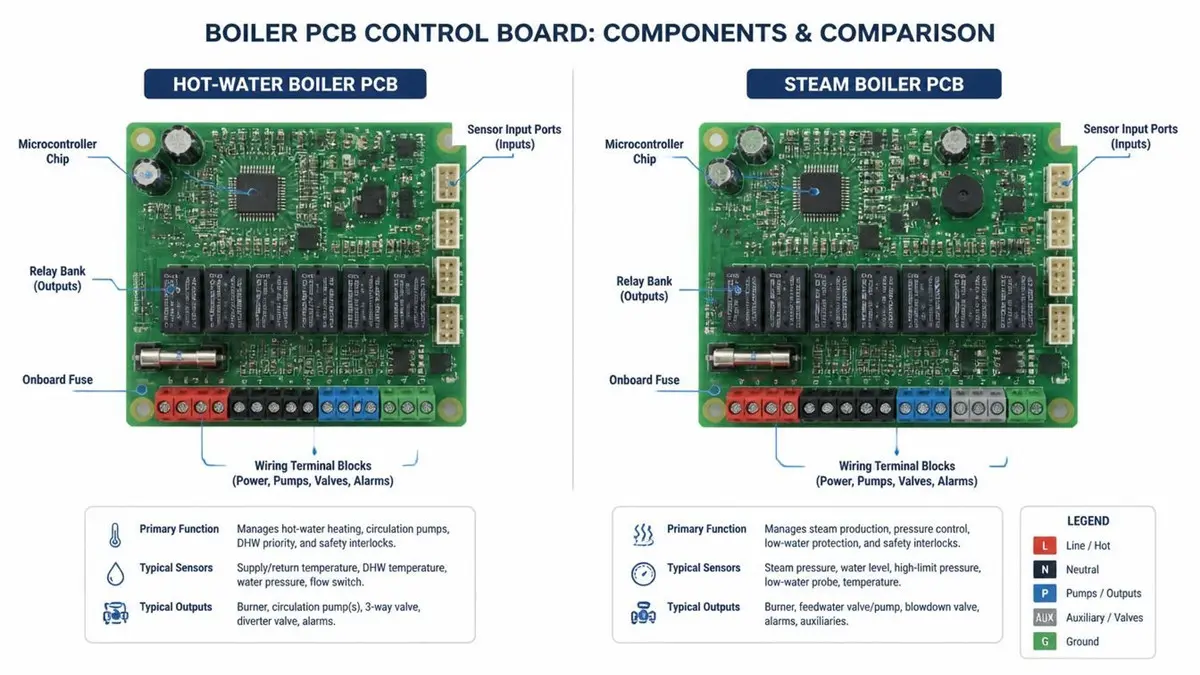
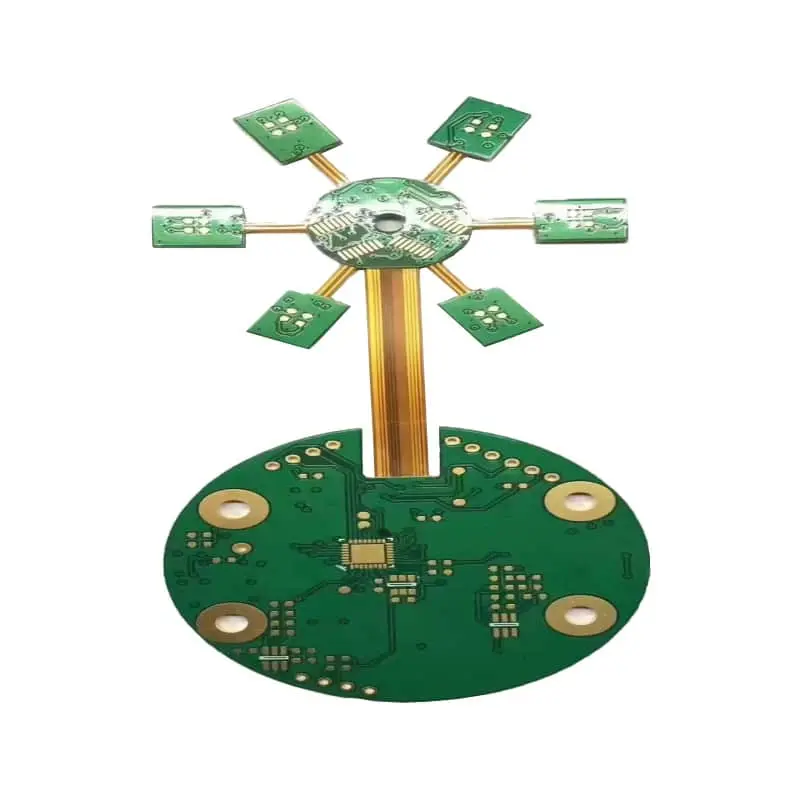
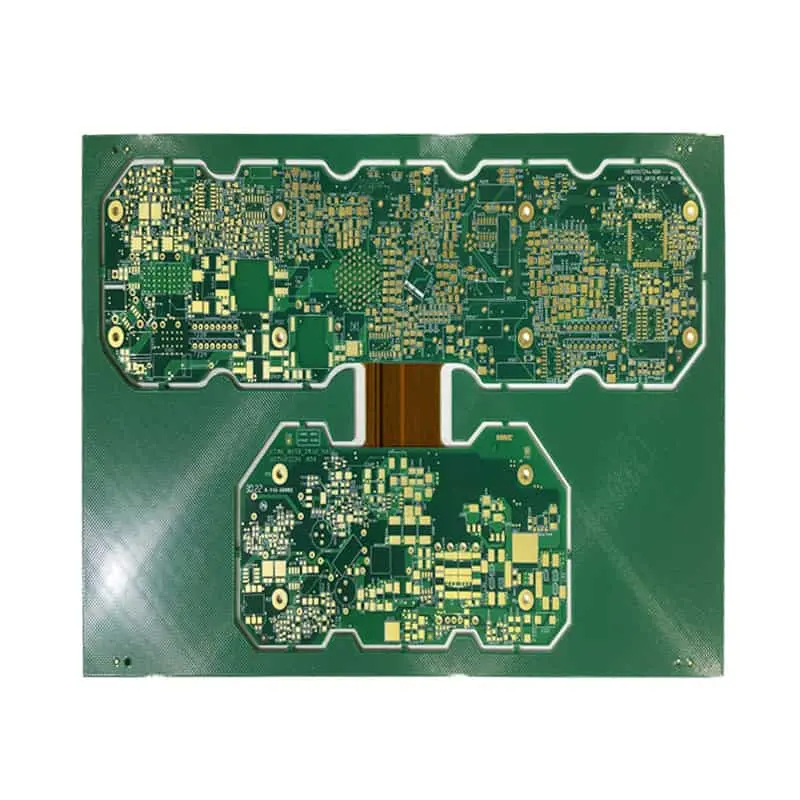
Diagram of boiler PCB showing core components: microcontroller, relays, sensor interfaces and terminal blocks; visual difference between hot‑water boiler PCB and steam boiler PCB.
Many homeowners and even junior HVAC technicians interchange three terms: printed circuit board, control board, and motherboard. In boiler applications, these labels almost always refer to the same physical, replaceable central control module, not random auxiliary circuit boards elsewhere in your unit. This board acts as the heating system’s brain, managing ignition sequences, water temperature regulation, circulator pump operation, and mandatory safety interlock protocols.
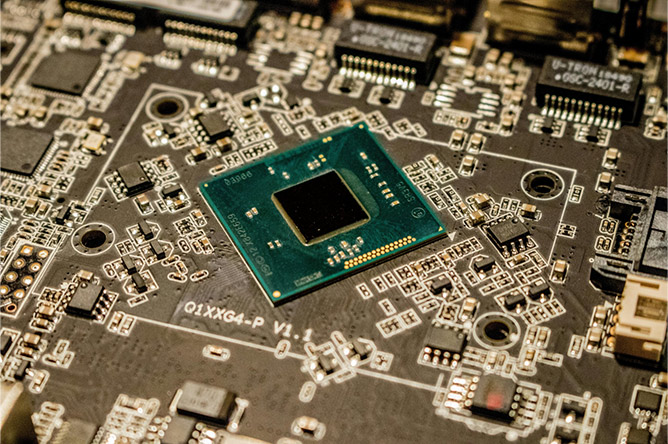
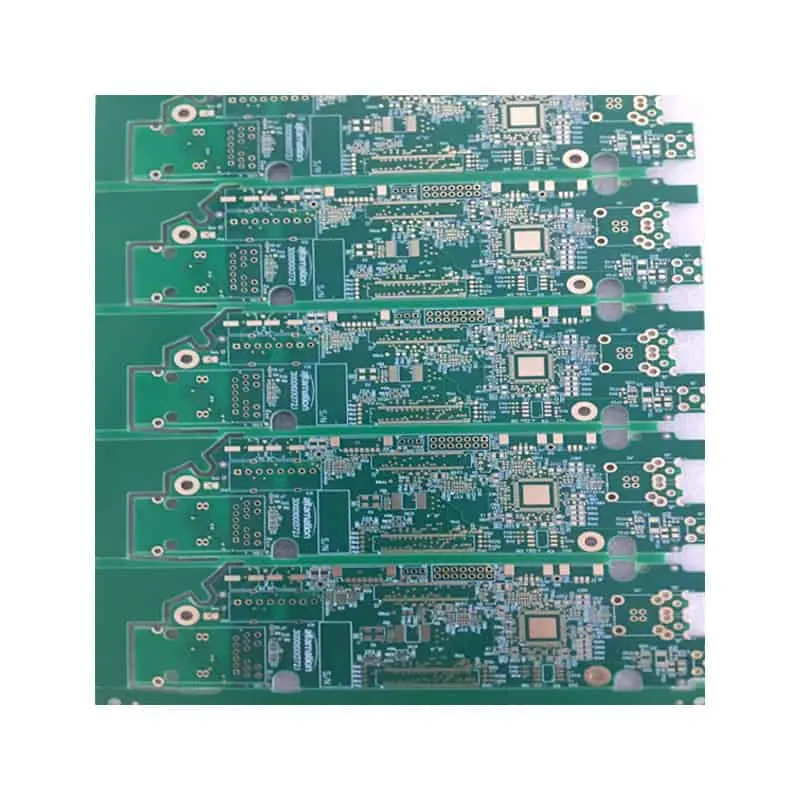
Key hardware components built onto a standard boiler PCB include a microcontroller chip, signal‑relay bank, multi‑pin sensor input ports, terminal blocks for low‑voltage wiring, onboard fuses, and status LED or digital error‑code displays. Component reference diagrams make it simple to trace signal paths from external sensors to actuators.
There are meaningful hardware differences between PCBs fitted on US‑style hydronic hot‑water boilers versus legacy steam boilers. Hot‑water boiler PCBs prioritize temperature‑sensor inputs, circulator pump control, and outdoor reset logic. Steam‑boiler PCBs focus heavily on water‑level monitoring, high‑pressure safety cutoff, and timed burner cycling instead of liquid circulation control. It is critical to understand: when you shop for a “boiler PCB”, you are purchasing a field‑replaceable control assembly, not generic bare circuit stock. Generic circuit boards cannot substitute for OEM or verified cross‑reference boiler control modules.
How a Boiler PCB Regulates Heating and Works With Smart Thermostats
The boiler PCB runs a complete signal‑to‑action control loop every heating cycle. First, it reads real‑time data from temperature sensors, pressure switches, and flame‑detection probes. Based on those inputs, it sends output signals to drive the gas valve, igniter assembly, combustion fan, and circulator pump. Many modern boards support outdoor reset curves, automatically adjusting boiler supply‑water temperature based on outdoor air conditions to boost overall heating efficiency.
Most importantly, safety logic is hard‑coded into the PCB firmware. If the board detects over‑temperature, loss of flame, or abnormal exhaust vent conditions, it immediately triggers a safety lockout and stops burner operation to prevent hazardous running states.
Homeowners frequently ask whether popular smart thermostats can work with their existing boiler PCB. Smart thermostats communicate to the boiler control board primarily through standard 24‑volt low‑voltage terminal wiring; some newer models use dedicated digital communication protocols. A critical fact many consumers miss: no smart thermostat can bypass the boiler PCB’s built‑in safety interlocks. The thermostat only sends a heat‑demand signal. All safety monitoring, flame validation, and emergency shutdown decisions remain fully controlled by the boiler’s own PCB. When retrofitting smart thermostats, always verify terminal compatibility between your thermostat and your existing boiler control board before wiring.
Faulty Boiler PCB Symptoms, Error Codes, and Safe Diagnostic Steps
Recognizing early warning signs of a failing boiler PCB helps you avoid total mid‑winter heating failure. Common failure indicators include: no power or blank display on the boiler interface, repeated random system restarts, burner refusing to ignite, circulator pump staying offline despite heat demand, intermittent or random error codes, blown internal fuses, and unusual rapid clicking or chattering from onboard relays.
Generic and brand‑specific fault codes give directional clues for diagnosis. Reference tables mapping error numbers to root causes help you distinguish true PCB failure from bad sensors or loose wiring. However, error codes alone cannot 100‑percent confirm a bad board.
Follow strict safe diagnostic workflows. Always start by cutting main electrical power and closing the fuel supply valve before opening boiler access panels. Take clear photos of every existing wiring connection for reassembly reference. Homeowners may perform limited visual checks and basic multimeter fuse‑continuity testing. Stop immediately if your troubleshooting touches mains‑voltage circuits, gas valve terminals, or high‑voltage ignition hardware. Those steps must be completed by a licensed US HVAC technician. Mis‑diagnosing a sensor fault as a dead PCB leads to unnecessary expensive board purchases.
Repair vs. Replace: Boiler PCB Costs, Compatibility, and Sourcing in the U.S.
When you confirm PCB failure, you face a core buying decision: repair the existing board or install a brand‑new or refurbished replacement. In the US residential heating market, total project costs break down into diagnostic service fees, PCB part price, skilled labor, and emergency/after‑hours surcharges. Independent repair shops, authorized OEM dealers, and manufacturer warranty programs each deliver different pricing and risk profiles. Generic “several‑hundred‑dollar” estimates are not enough for planning; costs shift based on boiler brand, fuel type, and whether you select OEM new, aftermarket compatible, or refurbished boards.
Compatibility is the single biggest procurement pitfall. Visual similarity between two boards does not guarantee fit. To select the correct replacement part, retrieve information directly from your boiler’s physical nameplate: full unit model number, serial number, and the part number printed on the original PCB itself. Pin‑out layout and embedded firmware must match your unit; visually identical boards can run incompatible software and cause unsafe or non‑functional operation.
Compare pros and cons of new OEM boards versus refurbished units. New OEM PCBs carry full factory‑backed part warranties but command higher prices. Refurbished boards cost less upfront yet carry higher risk of early re‑failure, and warranty terms are often shorter. Even if you source the correct part, local electrical codes require licensed technicians to perform installation. Homeowners must never attempt gas‑system work on their own.
Boiler PCB Lifespan, Failure Causes, Surge Protection, and Warranty Coverage
A well‑protected boiler PCB typically delivers 8‑12 years of reliable service, though actual service life varies widely based on operating environment. Premature electronic failure stems from three top causes: electrical voltage surges (common during thunderstorms and local grid power cycling), moisture and humidity exposure in damp basement mechanical rooms, and accumulated heat stress from years of boiler‑cycle temperature swings.
Basic visual fuse checks do not protect against transient power surges. Installing whole‑house or dedicated boiler‑circuit surge suppression hardware is a practical preventive upgrade to extend PCB service life. Routine annual boiler maintenance also includes inspecting for condensation leaks that could drip onto control electronics.
Understand your warranty coverage limits. Most OEM boiler warranties offer limited‑term coverage on control‑board components; surge damage and moisture‑corrosion failures are routinely excluded from standard warranty claims. You can organize risk, observable symptoms, and recommended maintenance actions into a simple reference table for ongoing facility or home‑owner use. This section complements earlier diagnostic guidance, focusing on long‑term ownership costs and proactive risk reduction rather than emergency troubleshooting.
Next Steps & Call‑to‑Action
If you suspect your boiler PCB is defective, prioritize safety first. Download our printable boiler fault‑code and safe‑diagnostic checklist to document symptoms before reaching out to service partners. You may also submit your boiler model and serial number through our simple online form to receive transparent, no‑obligation replacement‑PCB price quotes.
All work involving mains‑voltage wiring and gas components must be completed by properly licensed local HVAC technicians. Avoid DIY disassembly of live boiler electronics to prevent personal injury or unsafe equipment operation. Get clear quotes upfront for parts and labor to avoid unexpected billing surprises during heating‑season repairs.
Frequently Asked Questions
What does PCB stand for on a boiler, and what does the board actually control? PCB stands for Printed Circuit Board. This is the boiler’s main control motherboard, responsible for ignition timing, temperature management, circulator pump operation, flame monitoring, and mandatory safety lockout functions.
How does a boiler PCB regulate heating, and will it work with a smart thermostat? The PCB reads sensor inputs and activates gas valves, igniters and pumps to maintain target temperatures. Smart thermostats send heat‑demand signals, but cannot override the boiler PCB’s built‑in safety protections. Verify terminal‑wiring compatibility before installing smart thermostats.
How does a steam boiler work, and does it use the same PCB as a hot‑water boiler? Steam boilers produce pressurized steam for heat, while hot‑water hydronic systems circulate liquid water. Their PCBs are not interchangeable: steam‑boiler boards prioritize water‑level and high‑pressure safety; hot‑water boards focus on pump and supply‑water temperature control.
What are the most common boiler PCB error codes, and what do they mean? Error codes indicate lockout events such as flame loss, over‑temperature, pressure faults, or internal board hardware failure. Always cross‑reference codes against your boiler manual; codes can point to bad sensors or wiring, not necessarily a failed PCB.
How much does boiler PCB replacement cost in the United States? Total costs combine diagnostic service, PCB part cost, and technician labor. Final pricing depends on boiler brand, OEM versus aftermarket parts, and emergency service surcharges. Submit your boiler details for custom quotes.
Can a homeowner replace a boiler PCB, or should a licensed technician do it? Board replacement involves mains‑voltage electricity and gas‑system safety circuits. Homeowners should not perform installation work. Always hire a licensed local HVAC technician compliant with regional electrical and fuel‑gas codes.
How long does a boiler PCB last, and what causes early failure? Typical service life ranges from 8‑12 years. Leading causes of early failure include electrical surges, damp basement humidity and condensation exposure, and prolonged thermal cycling stress. Surge protectors and annual maintenance can extend service life.
About Author
David Chen LinkedIn Profile
David Chen is a Senior RF/PCB Process Engineer at Shenzhen Hongda Circuit Technology Co., Ltd., with over 12 years of experience in high-frequency PCB fabrication, impedance-controlled stack-up design, and Rogers/PTFE laminate processing. He also boasts an extensive professional background in PCBA manufacturing, PCBA testing, and PCBA optimization, with specialized expertise in high-precision PCBA fault analysis and rigorous PCBA reliability testing. The author has worked with high-layer-count server PCB fabrication, ultra-low-loss backplane stackups, and thermo-mechanical reliability optimization for AI infrastructure projects involving 112G and 224G PAM4 architectures. Skilled in complex circuit design and cutting-edge advanced PCB manufacturing processes, he delivers solutions that elevate product durability and performance across industrial applications. His technical articles focusing on PCBA manufacturing workflows and testing methodologies are widely cited by industry peers and technical platforms, and have gained attention and recognition from industry colleagues.