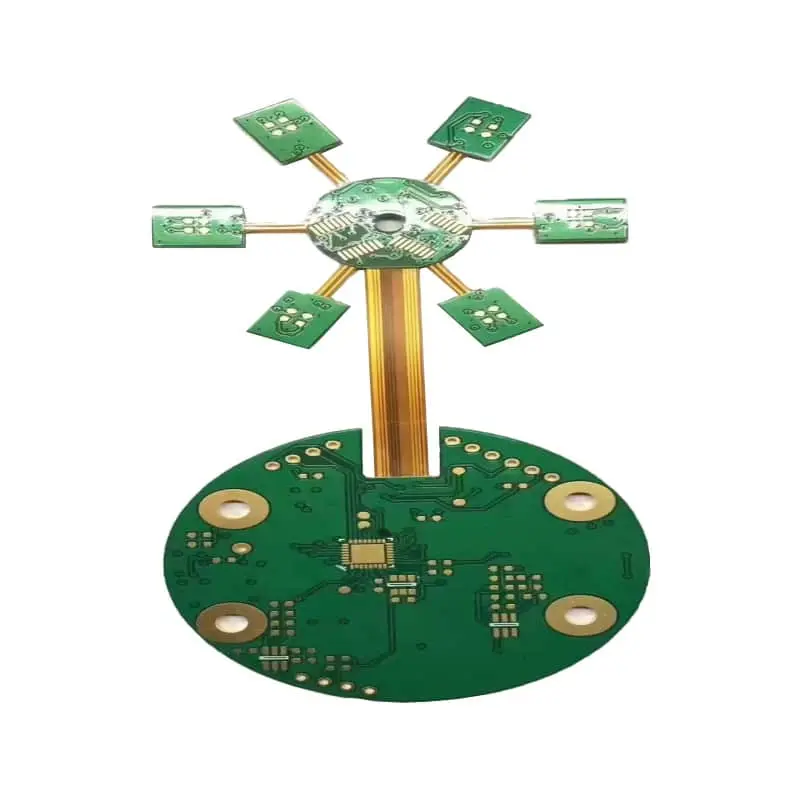
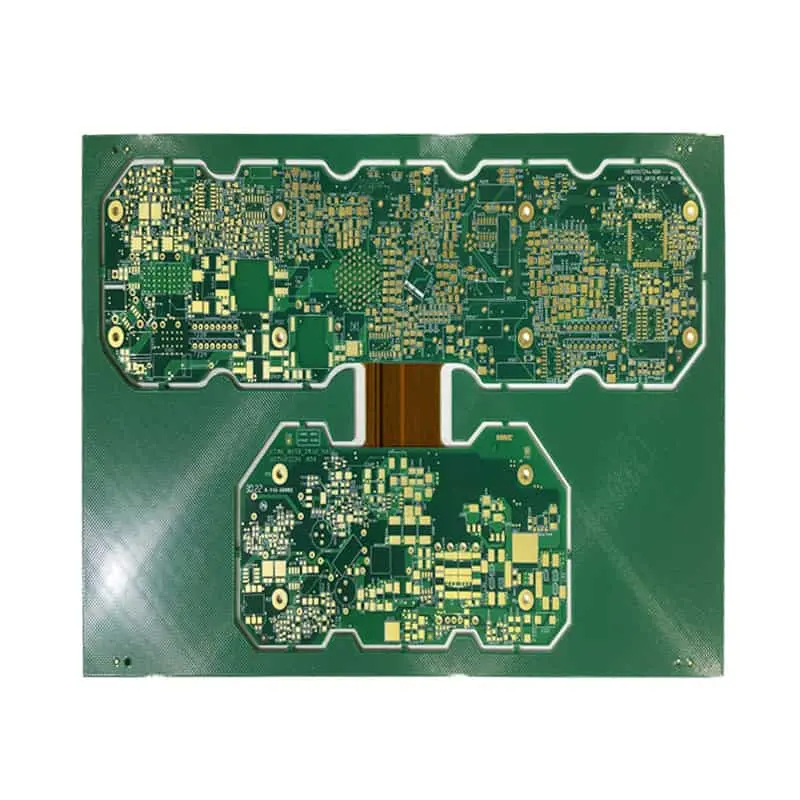
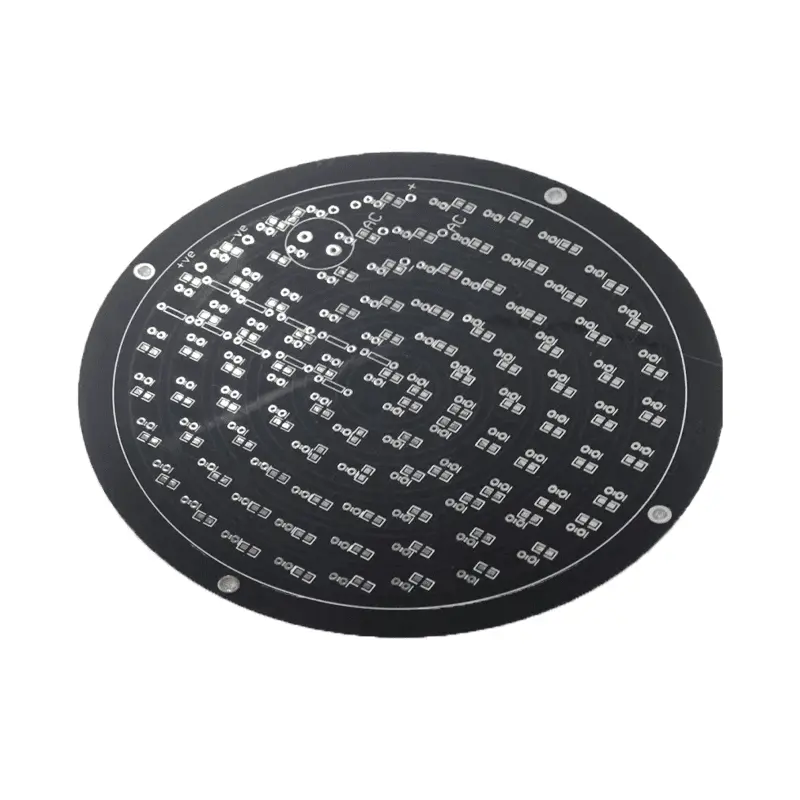
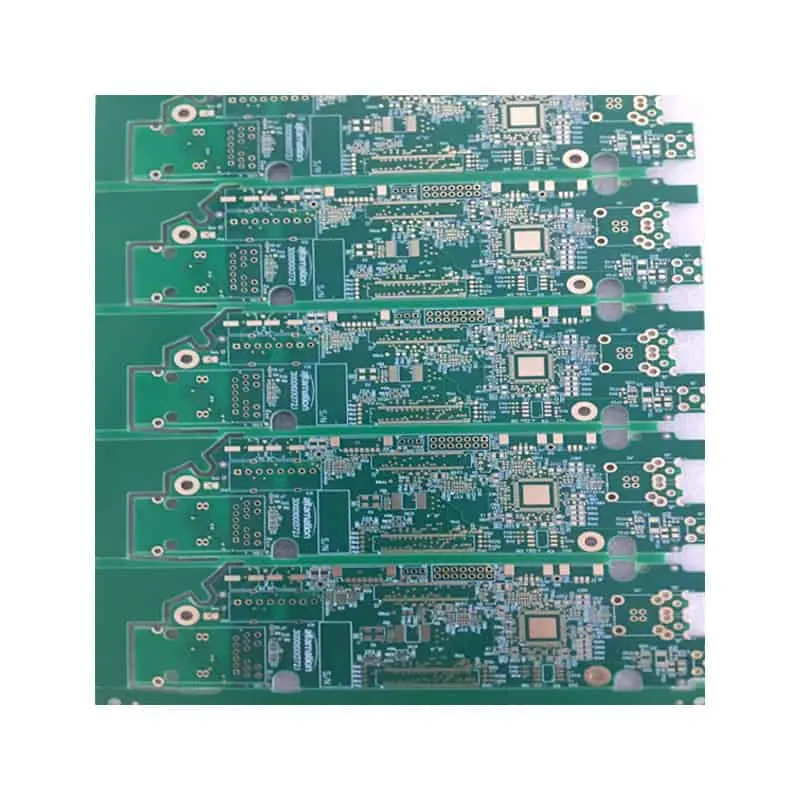
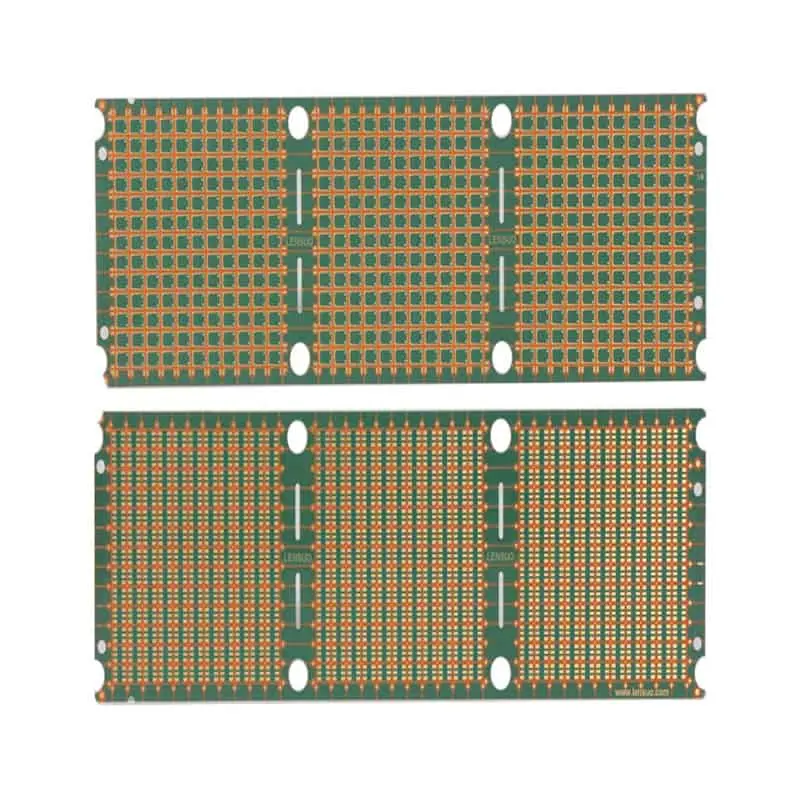
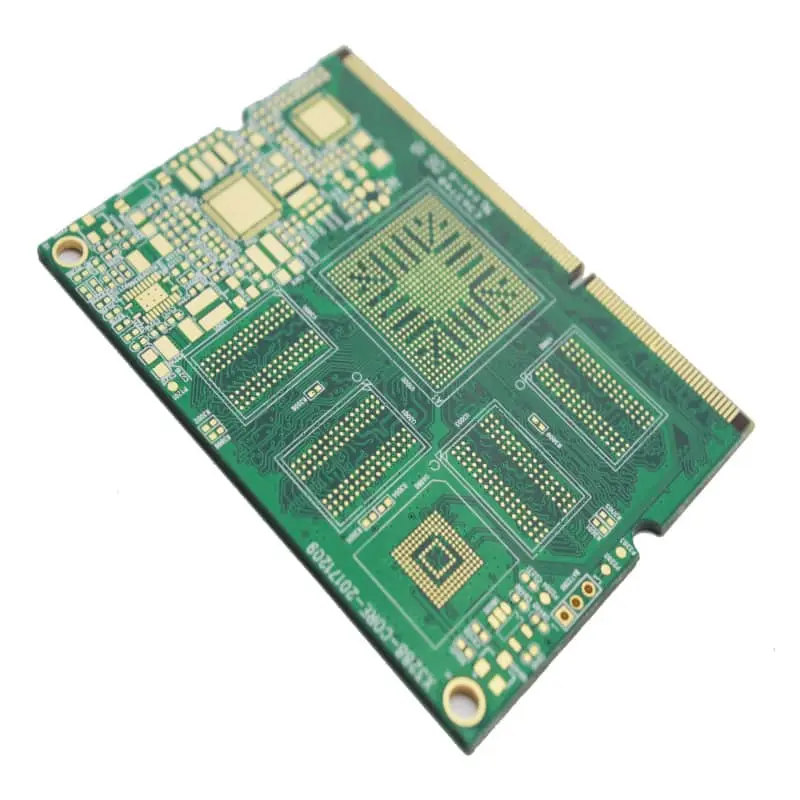
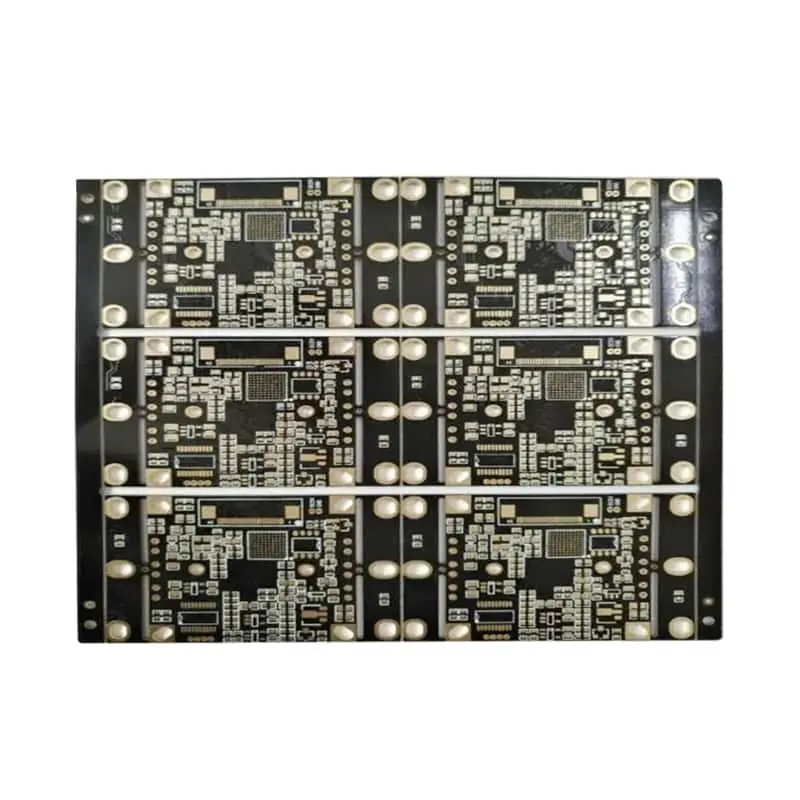
PCB conformal coating safeguards circuit hardware against real‑world operating hazards. Electronic assemblies deployed across the United States face relentless environmental stress: high‑humidity conditions across the Midwest and Gulf Coast, salt‑laden coastal air along Florida and the Eastern Seaboard, conductive dust, temperature swings, and biological contamination. Without targeted conformal protection, printed circuit boards suffer electrochemical corrosion, tin‑whisker growth, surface leakage, and premature field failure. Acrylic conformal coating (IPC‑CC‑830 Type AR) is one of the most widely adopted variants to mitigate these risks, balancing robust environmental shielding with the critical benefit of easy board rework.
What Acrylic Conformal Coating Is — and How It Shields a PCB
Acrylic conformal coating is a protective material built around acrylic‑resin film‑forming chemistry. Applied via spraying, dipping or selective dispensing, it deposits a thin, transparent polymer film that conforms precisely to PCB traces, components and solder joints. Unlike consumer‑grade acrylic varnish, acrylic paint, or solid acrylic sheet material, this engineered electronics‑grade material is formulated exclusively for circuit‑assembly reliability, with controlled dielectric and environmental‑performance metrics.
Its core protective functions directly address common electronic failure vectors: blocking water‑vapor penetration, resisting salt‑fog‑driven galvanic corrosion, repelling conductive particulate accumulation, inhibiting mold and fungus proliferation, and mitigating tin‑whisker short‑circuit risk. Well‑formulated acrylic coatings deliver dielectric strength typically ranging from 1000‑1500 V/mil while raising surface‑insulation resistance for populated assemblies. Validated lab performance often includes hundreds of hours of salt‑fog exposure (ASTM B117) and repeated thermal‑shock cycling testing, qualifying boards for moderate‑to‑demanding indoor and sheltered outdoor deployment.
For North‑American manufacturers, real‑world operating geography drives specification decisions. Equipment operating in the humid Gulf Coast or salt‑spray‑exposed coastal Florida environments frequently relies on acrylic conformal coating to extend service life, especially for assemblies where field or factory rework must remain practical. Unlike many competing chemistries, acrylic films can be locally dissolved and removed without destructive thermal stress to base PCBs, making it the preferred choice for high‑volume consumer electronics and industrial assemblies requiring component‑level repair capabilityAlibaba.co….
Surface Prep, Masking, and Application: Spray, Dip, Brush, and Selective Coating
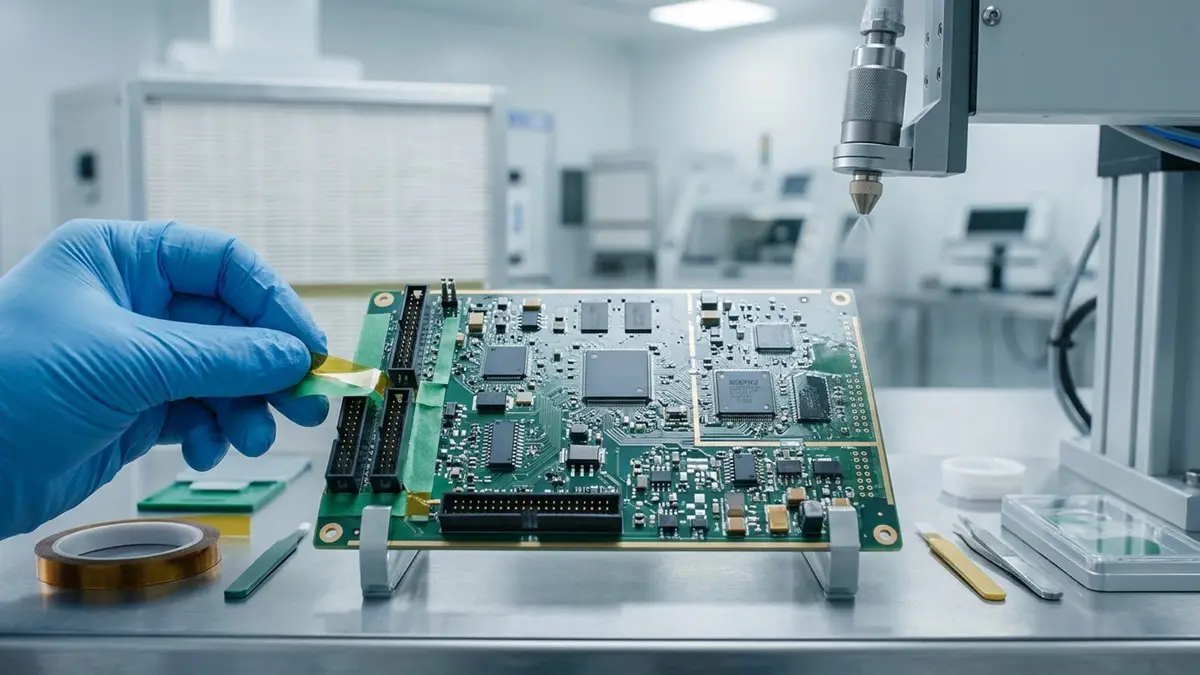
PCB conformal coating surface prep, masking and application with spray, dip, brush and selective coating for electronic circuit boards
Successful acrylic conformal‑coating performance depends far more on process execution than material selection alone. The workflow follows three core phases: surface preparation, precise masking, and controlled application. Skipping or cutting corners on any step creates hidden production‑yield risks.
Surface cleaning is foundational. Flux residues, fingerprint oils, and adsorbed ambient moisture prevent proper wet‑out, creating craters, fish‑eyes (pinhole voids), and poor substrate adhesion. Best practice employs aqueous or solvent washing followed by a defined drying window before coating application; bare boards should only be handled using nitrile gloves to avoid re‑contamination post‑cleaning.
Masking isolates areas that must remain fully uncoated: electrical connectors, test points, tactile switches, crystal oscillators, pressure sensors, and optical components. Engineers select among polyimide masking tape, reusable rubber masking caps, or peel‑able liquid mask compounds according to production volume and part geometry. In high‑volume manufacturing, incomplete masking is a frequent silent cause of reduced final‑test yield, as stray coating residue can degrade contact resistance on mating pins or interfere with sensor operation.
Four primary application techniques are deployed in production: manual brush coating (low‑volume repair and prototype touch‑up), conventional spray coating (mid‑volume assemblies), dip coating for full immersion coverage, and robotic selective coating for high‑volume manufacturing. Each carries trade‑offs for edge coverage, dry‑film‑thickness consistency, material waste, and rework simplicity. Per IPC‑CC‑830 standards, target dry‑film thickness falls between 30 μm‑130 μm; double coating is recommended for high‑stress environmental zones on the PCB to close gaps and boost barrier performance. UV‑fluorescent tracer additives allow operators to validate coverage gaps under black‑light inspection, while dry‑film‑thickness gauges provide quantitative process confirmation.
Safety and regulatory compliance cannot be overlooked for solvent‑borne acrylic formulations. Production facilities require adequate local exhaust ventilation, explosion‑proof electrical infrastructure, nitrile hand protection, and eye‑protection gear. Procurement and process teams must also account for US‑state‑level VOC emission rules when qualifying coating products for factory deployment.
Curing, Drying, Inspection, and Rework: From Wet Film to Repairable Board
After application, managing cure progression determines final coating quality. Distinguish between surface‑dry and fully‑cured states. Room‑temperature evaporation, forced‑hot‑air drying, or infrared cure profiles define processing timelines. Greater applied film thickness and elevated ambient humidity will significantly extend full‑cure duration. Premature handling of incompletely dried coatings causes scratching, indentation, and film displacement over component edges.
Multi‑layer inspection validates finished quality: visual review combined with UV‑lamp fluorescence scanning reveals holidays, bubbles, and uneven lay‑down. Production‑floor quality protocols include dry‑film‑thickness sampling, cross‑hatch adhesion testing, and periodic insulation‑resistance verification on representative assemblies.
Process teams must anticipate and troubleshoot common coating defects: yellowing from thermal or UV exposure, blistering caused by trapped moisture or surface contamination, craters from surface contaminants, thermal‑cycle‑induced cracking, film delamination, and capillary wicking of coating under component packages. Each failure mode links back to root causes ranging from insufficient pre‑cleaning, incorrect film thickness, improper cure cycles, or chemical incompatibility with board materials. Documented corrective responses are essential for stable serial production.
One standout advantage of acrylic conformal coating is its rework potential. Cured acrylic can be locally softened and stripped using compatible solvent strippers without aggressive plasma ablation. After targeted coating removal, technicians may perform low‑temperature component soldering repairs. Process engineers must verify compatibility with nearby plastic and elastomer components to avoid unintended material damage. After repair completion, affected zones require re‑coating and full re‑inspection to restore full barrier‑protection performance.
Acrylic vs Silicone, Polyurethane, Epoxy, and Parylene — Plus the Standards That Matter
Selecting conformal coating requires comparing performance trade‑offs across IPC‑recognized material families: acrylic (AR), silicone (SR), polyurethane (UR), epoxy (ER), and parylene (XY).
Acrylic conformal coating delivers fast solvent‑evaporation cure, outstanding reworkability, solid moisture‑barrier properties, and competitive material cost, with continuous operating temperature roughly ‑55 °C up to +125 °C. It performs best in moderate‑temperature environments where access for repair is anticipated. By contrast, silicone coatings excel at high‑temperature operation but prove difficult to remove during rework. Polyurethane offers superior chemical‑solvent resistance at the cost of more complex repair. Epoxy coatings deliver exceptional abrasion and chemical durability yet are nearly non‑reworkable. Parylene provides ultra‑thin pinhole‑free vacuum‑deposited protection but carries very high unit cost and complex processing with extremely challenging rework cycles.
Critical industry standards guide procurement specifications. IPC‑CC‑830 establishes material qualification and performance benchmarks for conformal coatings. UL 746E governs electrical‑safety and flammability‑recognition requirements. RoHS and REACH regulations restrict hazardous‑substance content for products sold into global markets. Responsible sourcing means requesting complete datasheets, qualification test reports, and batch‑consistency documentation from suppliers instead of relying solely on marketing‑claim summaries.
Matching coating chemistry to equipment‑use case simplifies final selection:
- Consumer electronics: Acrylic, prioritizing reworkability and throughput
- Automotive passenger‑compartment electronics: Acrylic for moderate‑temperature interior boards; silicone for under‑hood high‑temperature assemblies
- Outdoor commercial equipment: Acrylic for sheltered installations; polyurethane for direct weather‑exposed hardware
- Marine & offshore: Polyurethane or parylene for persistent salt‑water exposure
- General industrial controls: Acrylic for indoor cabinets; polyurethane for chemically‑polluted factory floors
Cost Per Board, Coverage Yield, Pot Life, and Storage
Many purchasing and manufacturing teams evaluate conformal coating purely on raw‑material price‑per‑kilogram. This metric is misleading; real per‑PCB cost is driven by solid content, spray over‑spray losses, masking labor, scrap‑and‑rework overhead, and production throughput.
Low‑priced coating material can become economically disadvantageous if it demands extensive masking labor, drives elevated reject rates, or creates high rework frequency. When building business‑case estimates, calculate full total‑cost‑of‑ownership: material consumption, labor for masking and inspection, yield‑loss risk, and downtime incurred during rework operations. Even modest improvements in first‑pass yield can outweigh apparent raw‑material savings.
Material‑lifecycle management is another frequently overlooked procurement topic. Once original packaging is opened, solvent‑borne acrylic coatings have defined usable pot‑life; viscosity gradually shifts through solvent evaporation. Manufacturers should follow supplier recommendations for sealed storage and optional refrigerated holding. Establish acceptance criteria to assess whether aged batches remain fit for production, and respect documented limits for permitted solvent thinning. This section complements earlier application guidance by focusing entirely on procurement, inventory, and cost considerations rather than hands‑on coating technique.
Next Steps: Move from Specification to Production‑Ready Qualification
Choosing acrylic conformal coating means investing in PCB reliability without sacrificing manufacturability or repair access. Its core value proposition is three‑fold: dependable environmental barrier performance, practical rework capability, and predictable overall production costs.
If you are evaluating conformal coating for your assemblies, take these concrete next actions: download our coating‑selection checklist and full technical datasheets, request free sample material for in‑house trial coating runs, or book a no‑obligation technical‑process assessment with our local field‑application engineers. Ask yourself: what environmental stresses will my PCBs face in‑service? Will factory or field component repair be required? You may reach out to our regional technical representatives for compliance document packages including IPC, UL 746E, RoHS, and REACH certification records.
Frequently Asked Questions
How long does acrylic conformal coating take to dry and fully cure?
Surface dry times can range 10‑30 minutes under ambient conditions; full cure for solvent‑based acrylics typically requires 12‑24 hours at room temperature. Oven‑accelerated cure cycles reduce total processing time, while higher humidity or thicker applied films extend cure timelines. Always follow the product datasheet for exact cure parameters.
Does acrylic conformal coating protect against UV exposure and yellowing?
Standard acrylic formulations may gradually yellow under prolonged intense UV light. UV‑stabilized acrylic grades mitigate discoloration risk for outdoor‑exposed hardware. For permanent direct‑sunlight deployment, evaluate polyurethane or silicone alternatives.
What are the main drawbacks of acrylic conformal coating compared with silicone or polyurethane?
Acrylic delivers limited resistance against aggressive fuels, oils, and strong industrial solvents, and its maximum continuous operating temperature is lower than silicone. Its greatest strength — easy solvent‑based removal — becomes a liability if assemblies face routine chemical splash exposure.
Is acrylic conformal coating the same thing as acrylic paint, acrylic resin, or acrylic sheet?
No. Consumer acrylic paint, clear lacquer, and solid acrylic plastic sheets are not engineered for PCB electrical performance, adhesion, or long‑term electronics reliability. Only IPC‑qualified conformal‑coating‑grade acrylic resin should be used for circuit‑board protection.
What coating thickness is required to meet IPC‑CC‑830?
IPC‑CC‑830 defines a target dry‑film‑thickness operating window of 30 μm‑130 μm for liquid‑applied conformal coatings. Exact target thickness depends on coating chemistry, end‑product reliability‑class requirements, and environmental exposure severity.
Can acrylic conformal coating be removed or reworked when a board needs repair?
Yes. This is acrylic’s primary competitive advantage. Compatible solvent‑based strippers allow local removal for component repair. After completing soldering work, repaired locations must be re‑coated and inspected to restore full barrier protection.
Does acrylic conformal coating comply with UL 746, RoHS, and REACH?
Qualified electronic‑grade acrylic conformal coatings can achieve UL 746E recognition and satisfy RoHS / REACH substance‑restriction rules. Always obtain formal supplier certification documents for your exact part number, rather than assuming generic‑chemistry compliance.
About Author
David Chen LinkedIn Profile
David Chen is a Senior RF/PCB Process Engineer at Shenzhen Hongda Circuit Technology Co., Ltd., with over 12 years of experience in high-frequency PCB fabrication, impedance-controlled stack-up design, and Rogers/PTFE laminate processing. He also boasts an extensive professional background in PCBA manufacturing, PCBA testing, and PCBA optimization, with specialized expertise in high-precision PCBA fault analysis and rigorous PCBA reliability testing. The author has worked with high-layer-count server PCB fabrication, ultra-low-loss backplane stackups, and thermo-mechanical reliability optimization for AI infrastructure projects involving 112G and 224G PAM4 architectures. Skilled in complex circuit design and cutting-edge advanced PCB manufacturing processes, he delivers solutions that elevate product durability and performance across industrial applications. His technical articles focusing on PCBA manufacturing workflows and testing methodologies are widely cited by industry peers and technical platforms, and have gained attention and recognition from industry colleagues.