Author name: admin

custom multilayer PCB manufacturing, multilayer PCB fabrication, controlled impedance PCB, blind and buried via PCB, IPC-6012 PCB, PCB DFM review

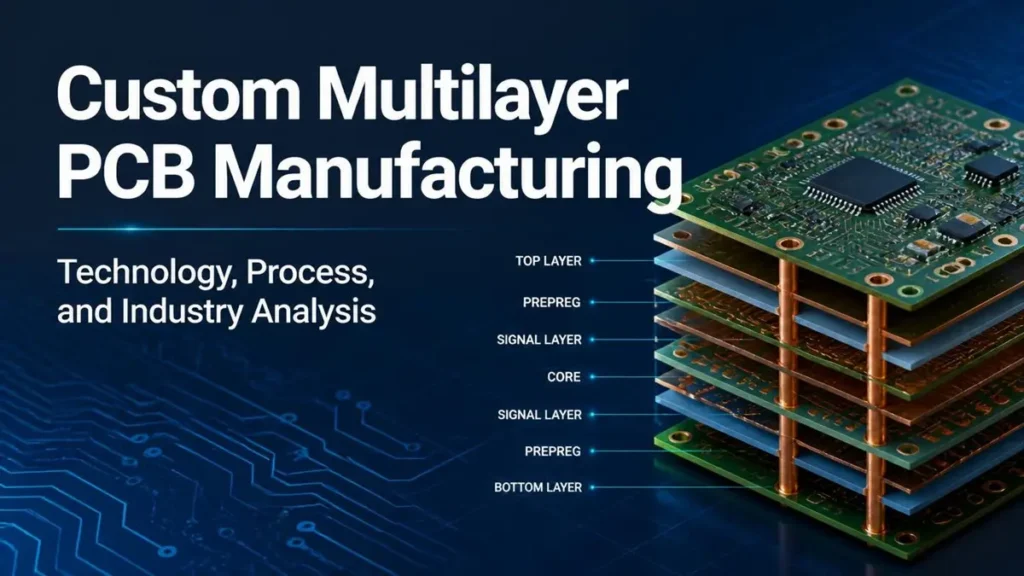
Custom Multilayer PCB Manufacturing | Reliable IPC-Compliant PCB Fabrication

Abstract This page covers custom multilayer PCB manufacturing for hardware engineers and procurement buyers. With over 12 years of hands-on PCB fabrication experience, the author explains stack-up design rules, DFM review, controlled impedance, blind and buried via processing, IPC compliance, quality acceptance criteria, lead time planning and quotation prerequisites. Real yield and failure cases from […]

Custom Multilayer PCB Manufacturing | Reliable IPC-Compliant PCB Fabrication Read More »
FPC design IPC-2223 reliable flexible circuit layout for medical and wearable applications

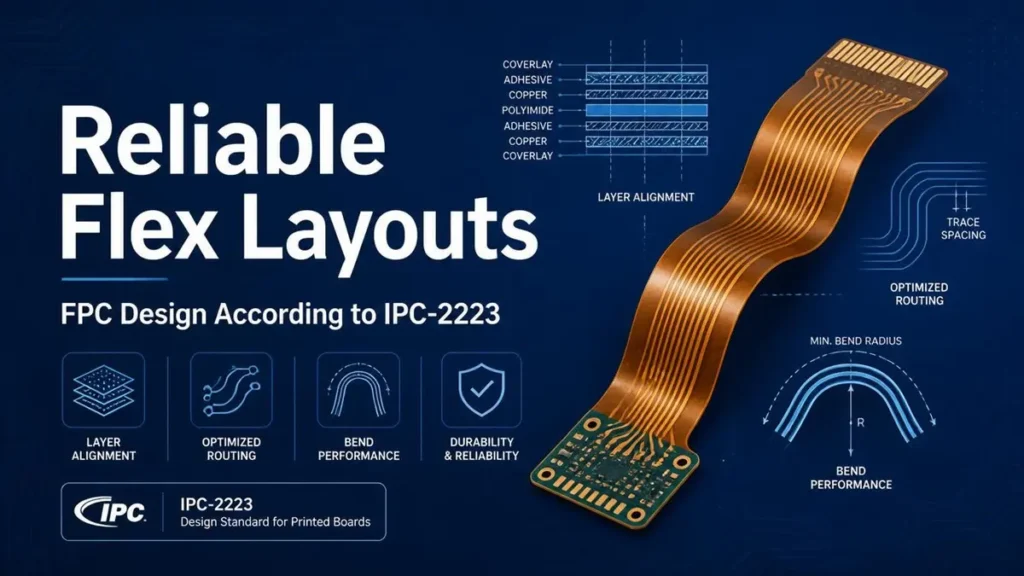
How to Engineer Reliable FPC Circuit Layouts That Meet Verified IPC‑2223 Manufacturing Limits & Reduce Field Failures?

This FPC design framework follows IPC‑2223, with quantified stack‑up, bend, impedance and coverlay rules to eliminate trace cracking, delamination and impedance drift for wearable, medical and industrial flex assemblies. FPC design differs fundamentally from rigid PCB layout. Many hardware teams carry over rigid‑board design habits into flexible circuit development, only to run into costly prototype

How to Engineer Reliable FPC Circuit Layouts That Meet Verified IPC‑2223 Manufacturing Limits & Reduce Field Failures? Read More »

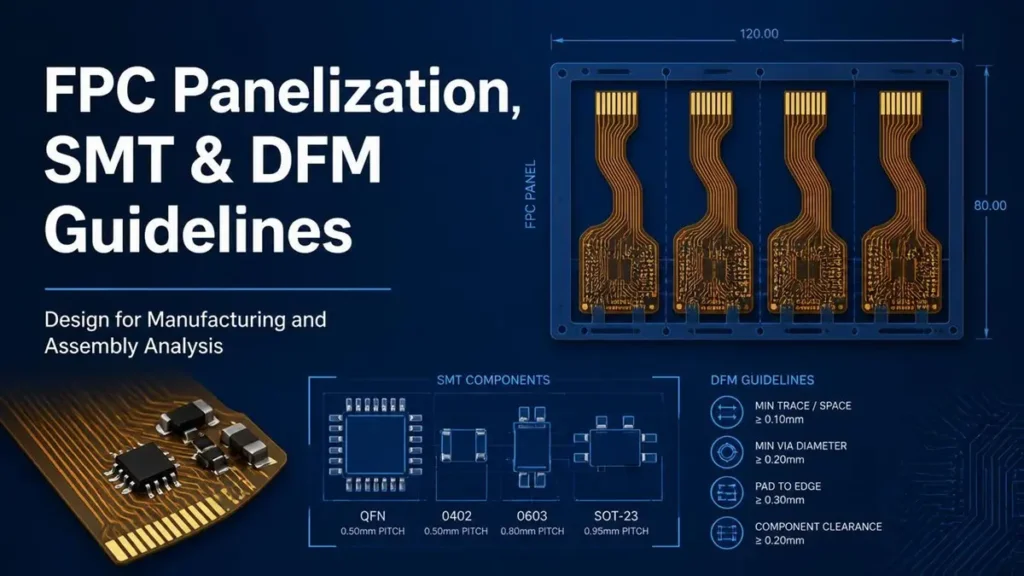
Fpc Panelization Dfm Guidelines For Smt Assembly Haoda Circuit

PC Panelization Design & DFM Guidelines for SMT Assembly

FPC panelization acts as a vital DFM procedure to solve handling difficulties for small flexible circuits, stabilize SMT manufacturing, lower yield loss and manage production costs. Drawing on over 12 years of hands-on experience in PCB and FPC manufacturing engineering, this guide complies with IPC-2223 and IPC-6013 industry standards. It covers panel layout rules, breakaway

PC Panelization Design & DFM Guidelines for SMT Assembly Read More »

Pcb Layout Routing Best Practices Ipc Design Guide

PCB Layout & Routing Best Practices for Reliable Manufacturing: Engineer’s Field Guide

PCB Layout & Routing Best Practices are the foundation of manufacturable, low-EMI printed circuit boards. Drawing on over 12 years of hands-on PCB manufacturing and design-for-manufacturing (DFM) engineering experience, this article outlines practical, production-proven workflows aligned with IPC industry standards. We break down component placement rules, trace routing discipline, copper pour techniques, DRC validation, and

PCB Layout & Routing Best Practices for Reliable Manufacturing: Engineer’s Field Guide Read More »

Pcb Dfm Checklist For Procurement Cover

PCB DFM Submission Guide: Prevent Quoting Delays & Eliminate NPI Rework

Stop losing days to preventable DFM errors. A practical, buyer-side DFM checklist that stops automated Gerber review failures before they stall your quote. For procurement, NPI, and supply chain teams, this PCB DFM checklist for procurement isn’t just a technical gate — it’s the control point that determines sample lead time, quote turnaround, and the

PCB DFM Submission Guide: Prevent Quoting Delays & Eliminate NPI Rework Read More »

Multi Wire Pcb Aerospace High Reliability

Multi‑Wire PCB: Definition, Design Rules, Applications & Selection Guide

Multi‑wire PCBs embed discrete pre‑insulated conductive wires inside dielectric substrates to achieve high‑density point‑to‑point interconnections, yet they are frequently mistaken for conventional multilayer PCBs. Engineers turn to multi‑wire PCB technology when standard etched‑trace stack‑ups hit hard limits on routing density, vibration resistance, crosstalk suppression, or excessive layer‑count growth. Many public resources only offer high‑level definitions

Multi‑Wire PCB: Definition, Design Rules, Applications & Selection Guide Read More »

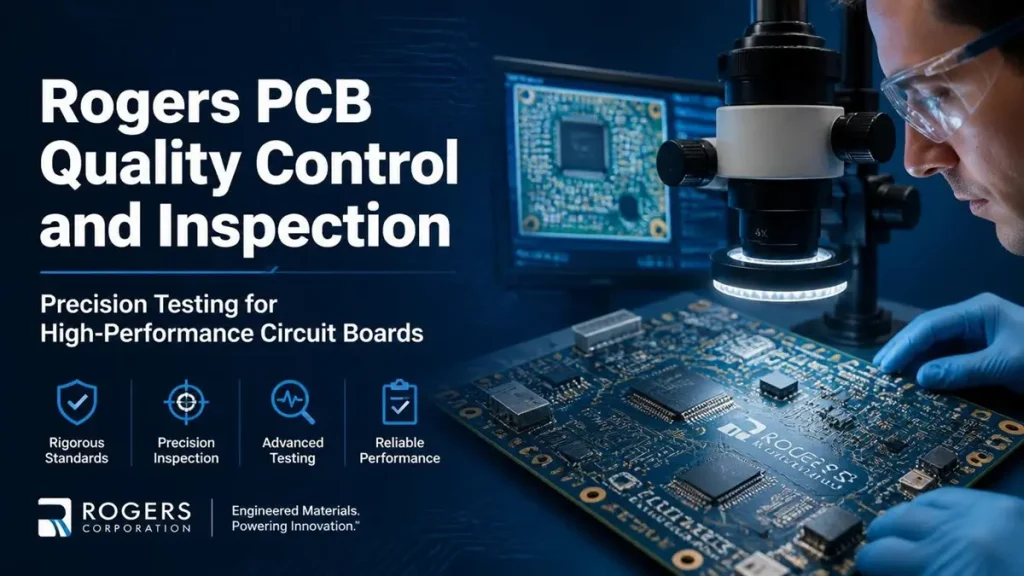
Rogers PCBs quality control and inspection during high‑frequency RF PCB manufacturing process

Quality Control and Inspection Steps in the Manufacturing of Rogers PCBs

Rogers PCBs quality control and inspection are essential for high‑frequency builds, as Rogers high‑frequency PCBs serve critical RF, microwave, antenna, and mm‑wave applications where stable Dk/Df, precise impedance control, and consistent material performance directly determine end‑product reliability. Unlike commodity FR‑4 boards, Rogers laminates—including ceramic‑filled hydrocarbon and PTFE‑based grades—demand material‑specific quality workflows rather than generic PCB

Quality Control and Inspection Steps in the Manufacturing of Rogers PCBs Read More »

RF PCB manufacturing, high‑frequency microwave PCB with impedance control and stack‑up optimization for aerospace radar applications

The Importance of RF PCB Manufacturing Processes and Optimization Strategies

RF PCB Manufacturing serve as the physical foundation for radar, satellite communications, automotive radar, aerospace, and wireless telecom hardware. Many engineering teams treat RF performance as fully locked‑in at design completion, yet real‑world insertion loss, return‑loss degradation, and impedance drift frequently originate from manufacturing variability. Successful RF PCB delivery depends not only on schematic and layout

The Importance of RF PCB Manufacturing Processes and Optimization Strategies Read More »

RF PCB Connections selection guide: high‑performance RF PCB connectors for signal integrity and impedance matching

The Importance of RF PCB Connections and a Selection Guide

For RF system buyers and design engineers, RF PCB connectors are frequently dismissed as trivial secondary components. In reality, connector‑to‑PCB transitions shape core electrical performance, govern system margin, and can create failures that cannot be fixed with late‑stage debugging, especially as operating frequencies climb higher. Whether you are building 5G communication hardware, defense‑aerospace subsystems, or

The Importance of RF PCB Connections and a Selection Guide Read More »

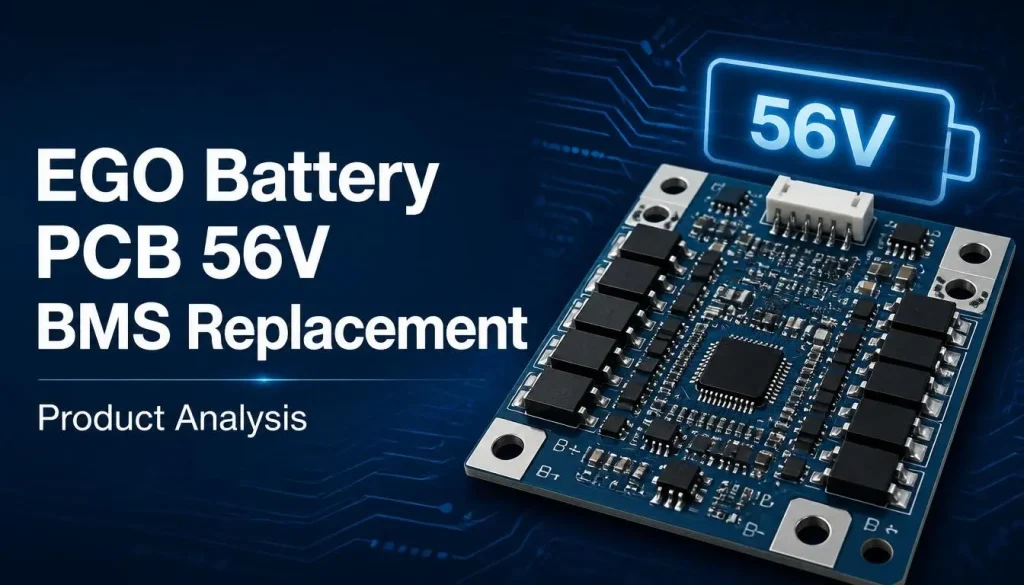
EGO Battery PCB 56V BMS replacement circuit board for outdoor power tools, Hongda Circuit

EGO Battery PCB: Compatibility, Working Principle, Fault Diagnosis and Replacement Guide

EGO 56‑V lithium‑ion battery packs power a wide range of popular cordless outdoor power tools, from lawn mowers and string trimmers to leaf blowers and chainsaws. At the heart of every EGO ARC‑Lithium battery sits the EGO battery PCB, a dedicated battery management system (BMS) board. This circuit board governs cell safety, power output, thermal

EGO Battery PCB: Compatibility, Working Principle, Fault Diagnosis and Replacement Guide Read More »